



The Buyers Guide
Six case styles, two movements, three chain fittings — everything you need to choose a pocket watch you'll actually reach for.
Case Style
The case decides how the watch opens, how it protects the movement, and how much of the mechanism you actually get to see.
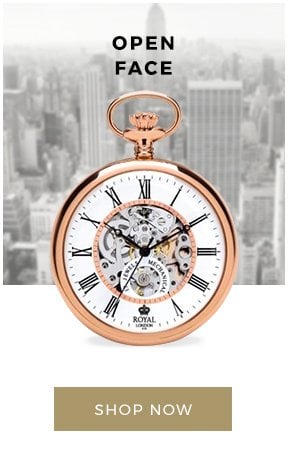
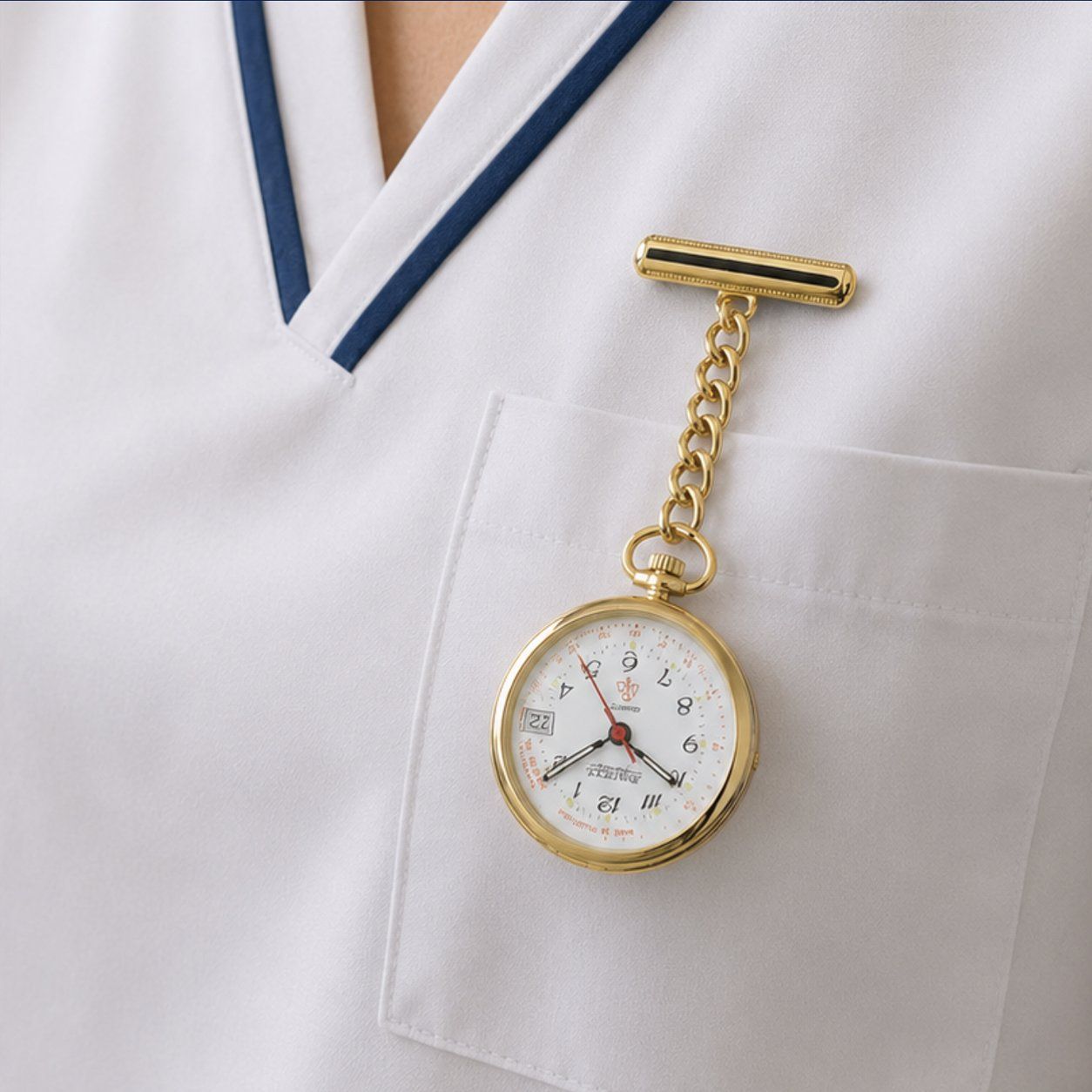
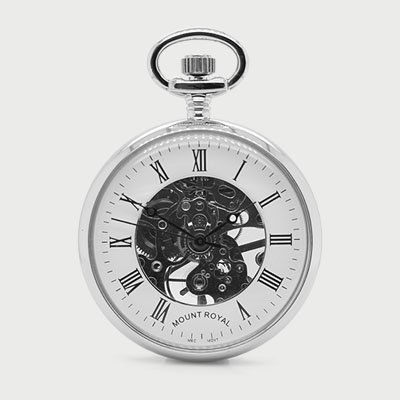
Open Face
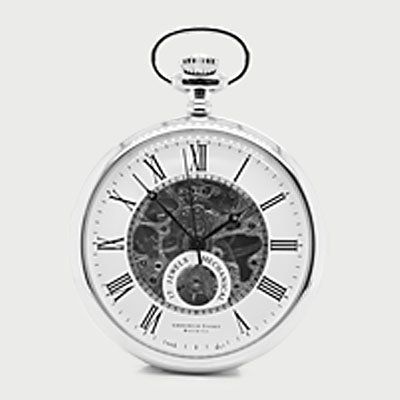
No lid, front or back — the dial is visible the moment you look at it. It's the simplest, most legible option, and its clean lines suit a minimal, modern wardrobe as easily as a formal one.
Shop Open Face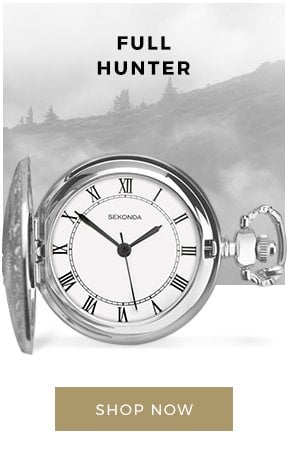
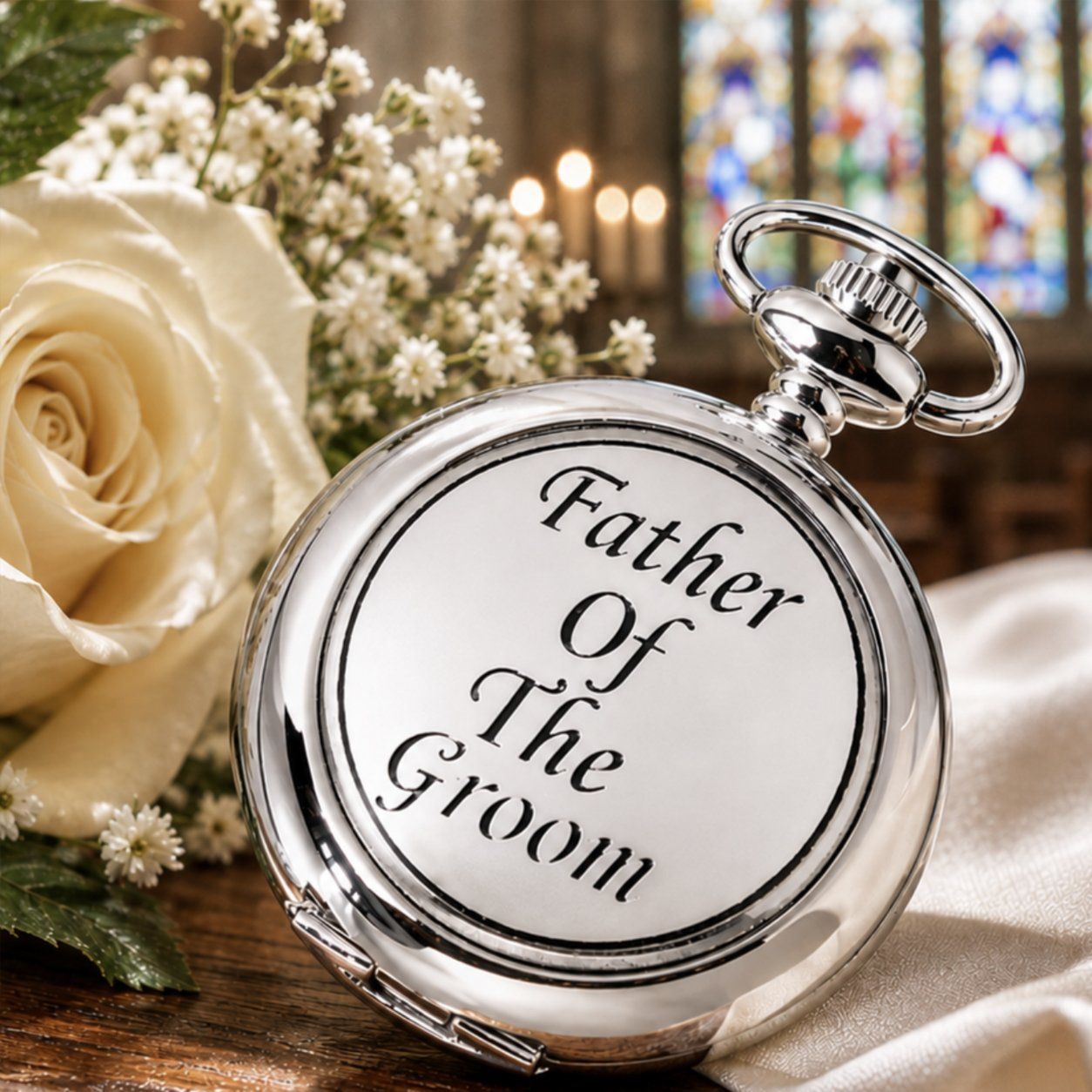
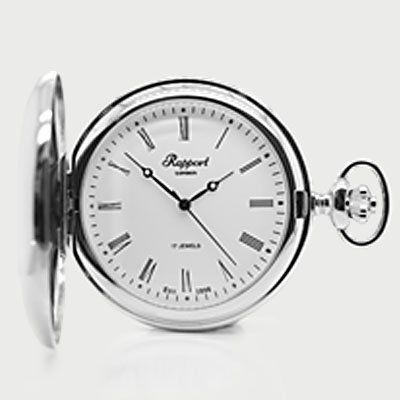
Full Hunter
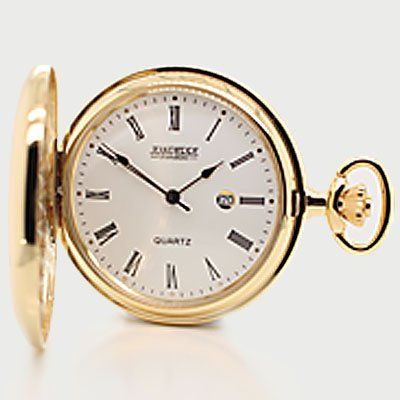
A hinged outer case covers the dial completely, so you flip it open to check the time. That extra cover protects the glass, and gives room for engraving, initials or decorative casework on the front.
Shop Full Hunter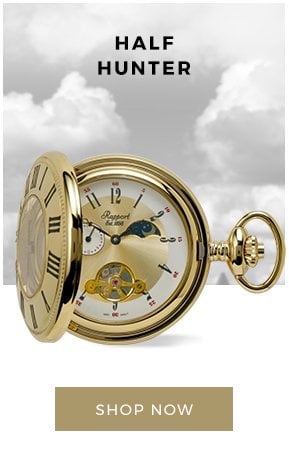
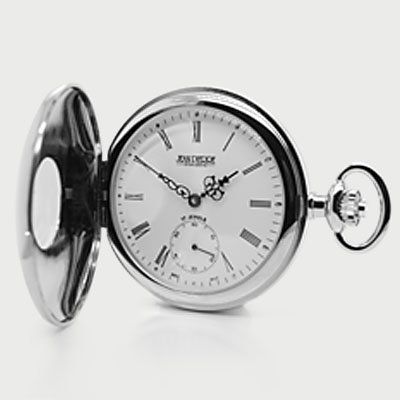
Half Hunter
A middle ground between the two: the case still closes over the dial, but a small glazed window lets you glance at the time without opening it — protection from a full hunter, convenience from an open face.
Shop Half Hunter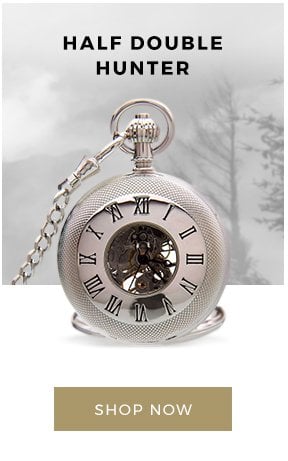
Half Double Hunter
Cases on both front and back, with the front one glazed for a quick glance at the time. It's the most detailed of the hunter styles, and tends to draw the most intricate engraving.
Shop Half Double Hunter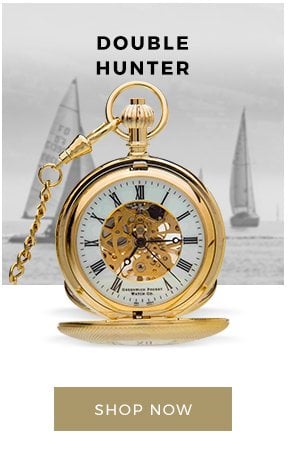
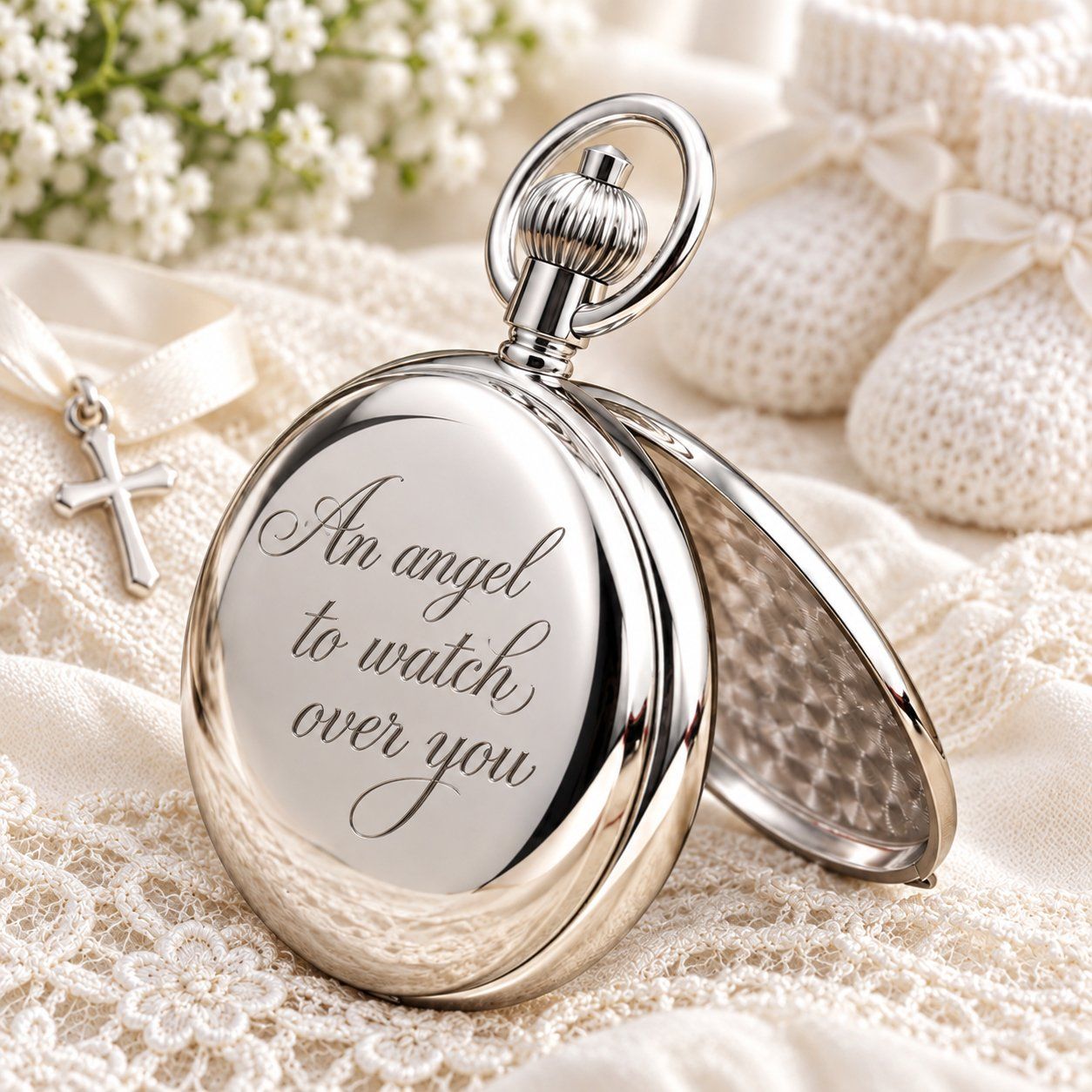
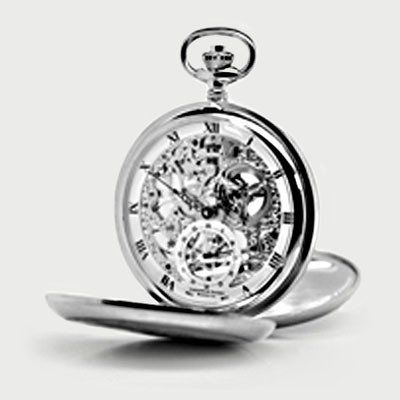
Double Hunter
Cases on both sides — the front protects the dial, the back opens to reveal the movement itself. Open both and the watch will stand on its own, which makes it as much a desk piece as something you carry.
Shop Double Hunter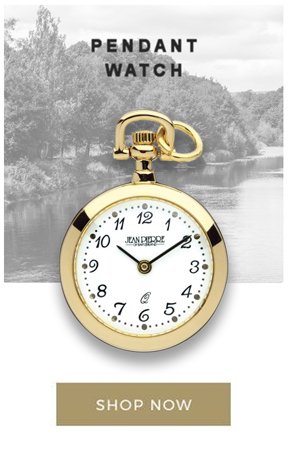
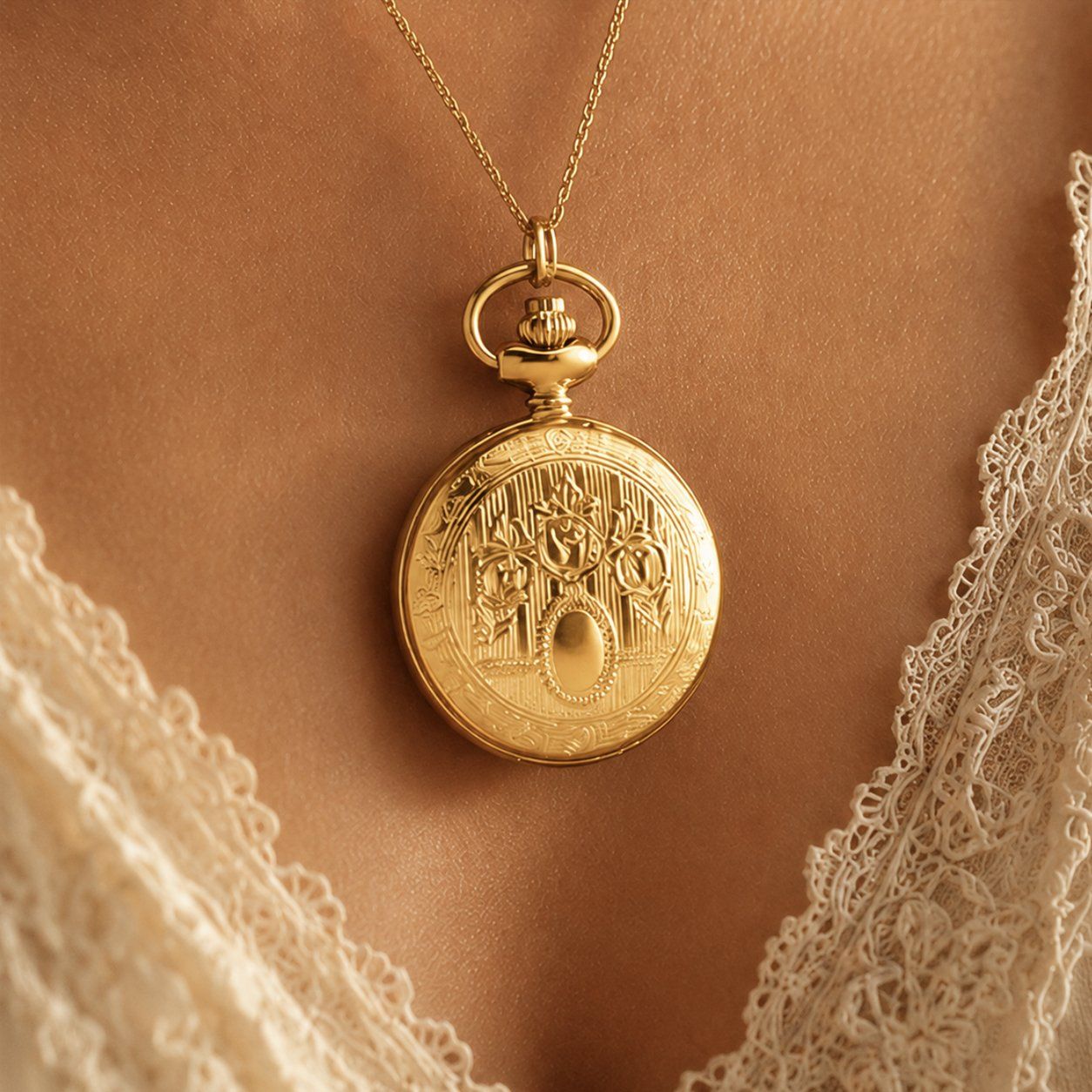
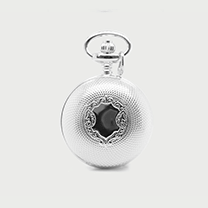
Pendant Watches
A smaller, more understated take on the pocket watch, built to be worn on a chain around the neck. Most come with a matching chain, so it's ready to wear straight away.
Shop Pendant WatchesCase Colour
Gold, silver or rose gold — the finish changes how formal the watch feels and what it pairs with.



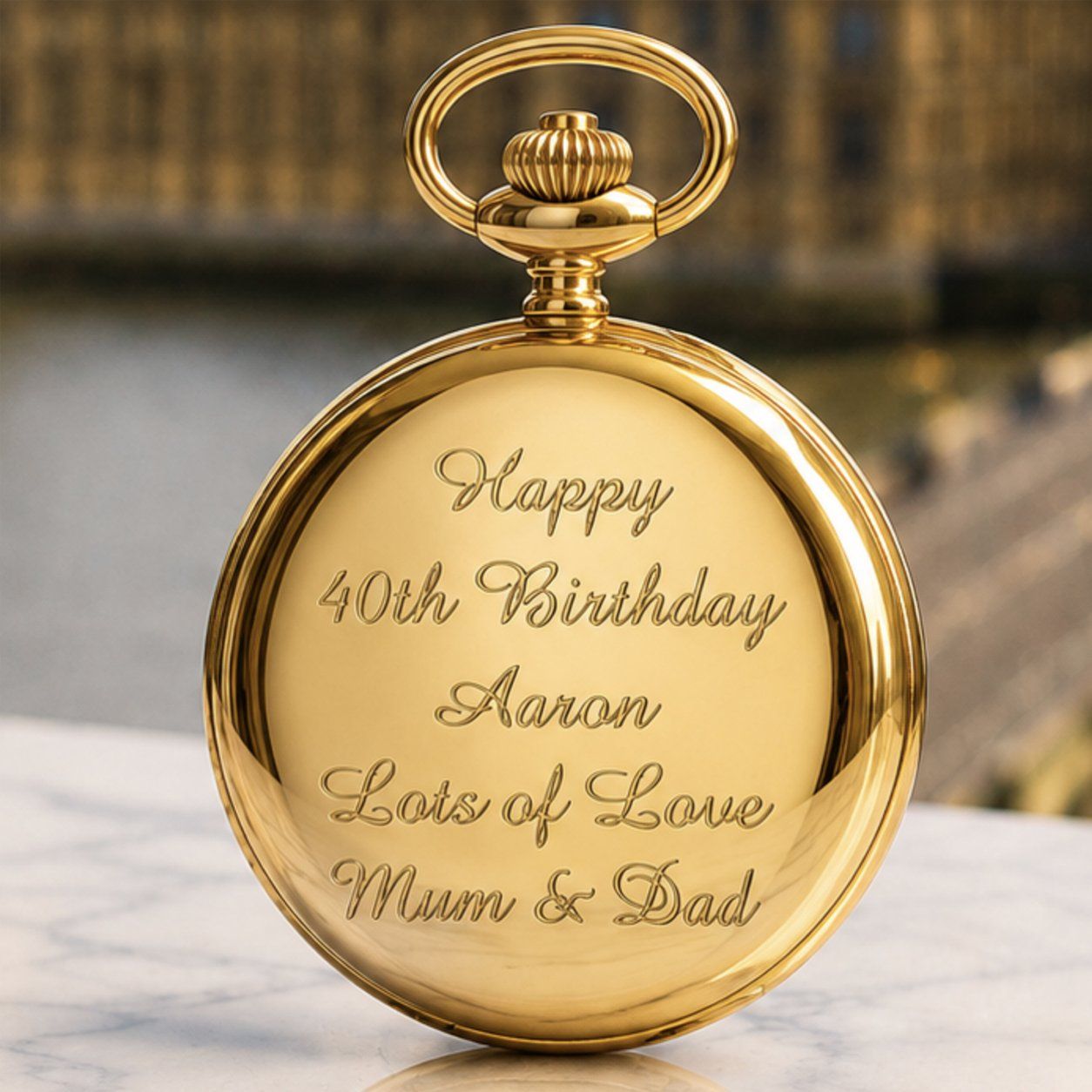
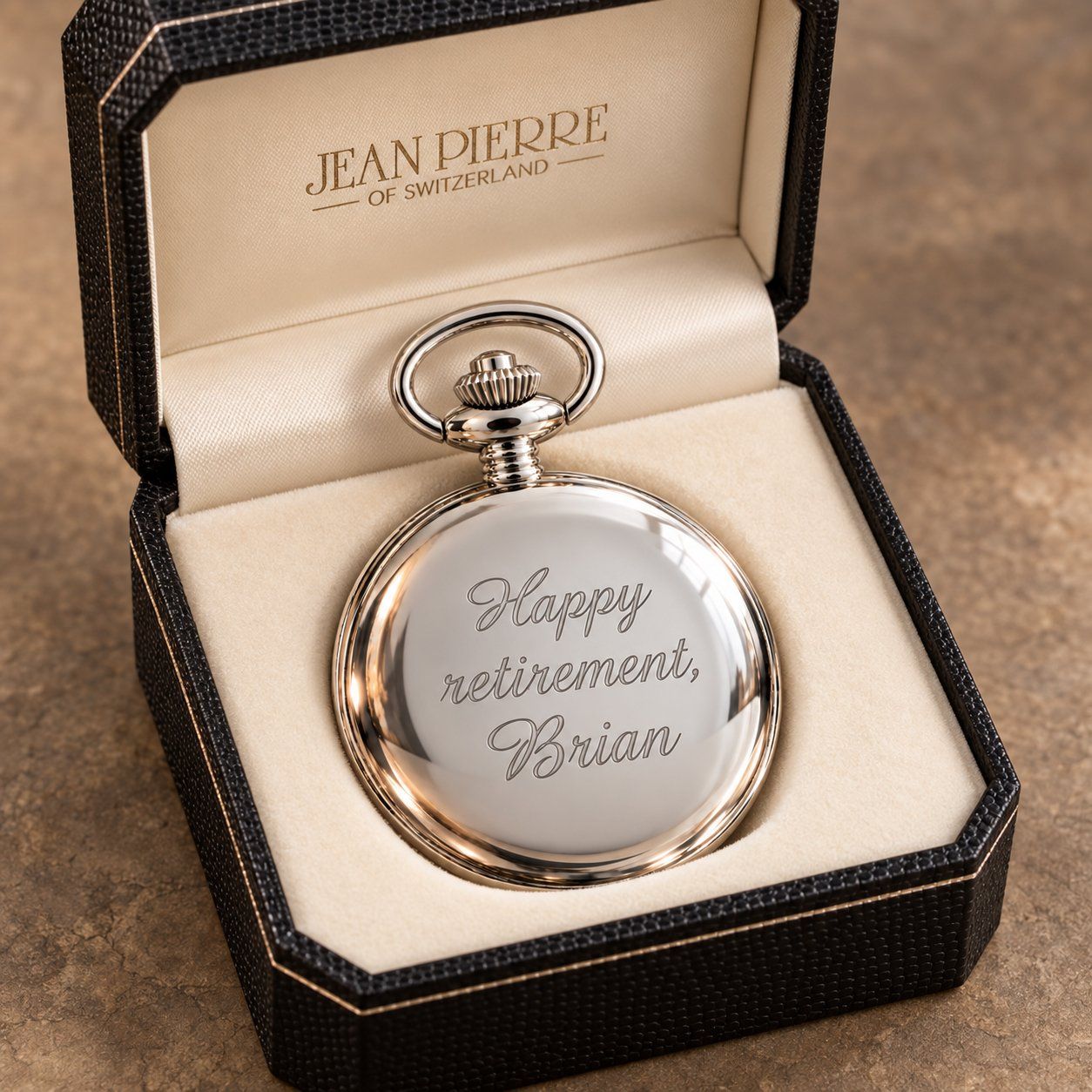
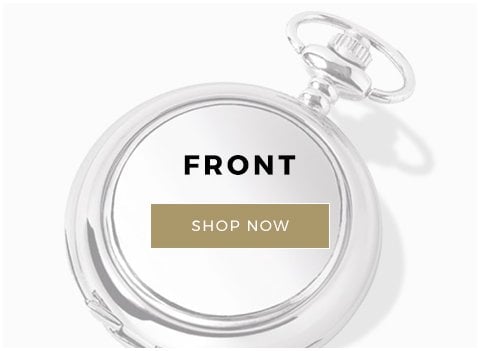
Engravable Area
Every case offers a different amount of space for personalisation. These are the engravable areas available across the range.


Movement
What's ticking inside changes how the watch behaves day to day — and how much of it you can actually see.

Mechanical
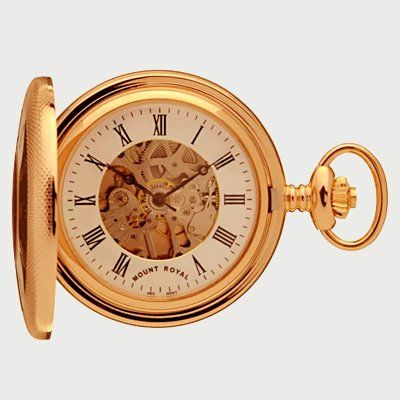
The traditional option: a set of hand-built components that need manual winding to keep accurate time. Because the mechanism itself is worth looking at, mechanical movements suit skeleton and double hunter cases especially well.
Shop Mechanical
Swiss Made
To carry the "Swiss made" name, a watch's movement has to be developed and cased in Switzerland — a standard that's shorthand for a certain level of craft. If heritage and precision matter most, this is the movement to look for.
Shop Swiss Made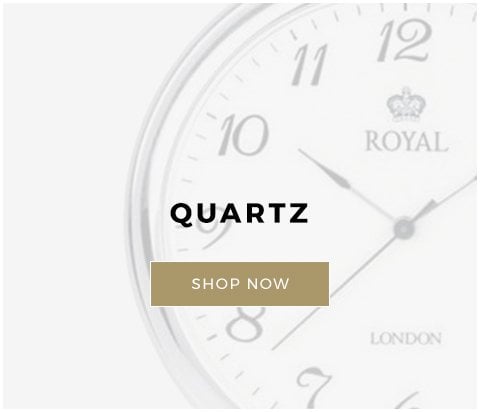
Quartz
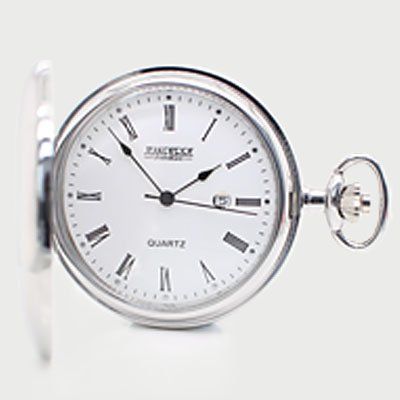
Battery-powered and recognisable by its ticking second hand. No winding, no maintenance routine — just consistent accuracy, which makes it the practical choice if you want to wear your watch regularly rather than for occasions.
Shop QuartzChains
How the watch attaches to you matters as much as the watch itself. Three fittings, three ways of wearing it.
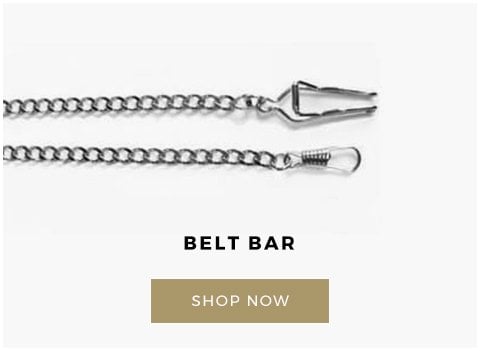
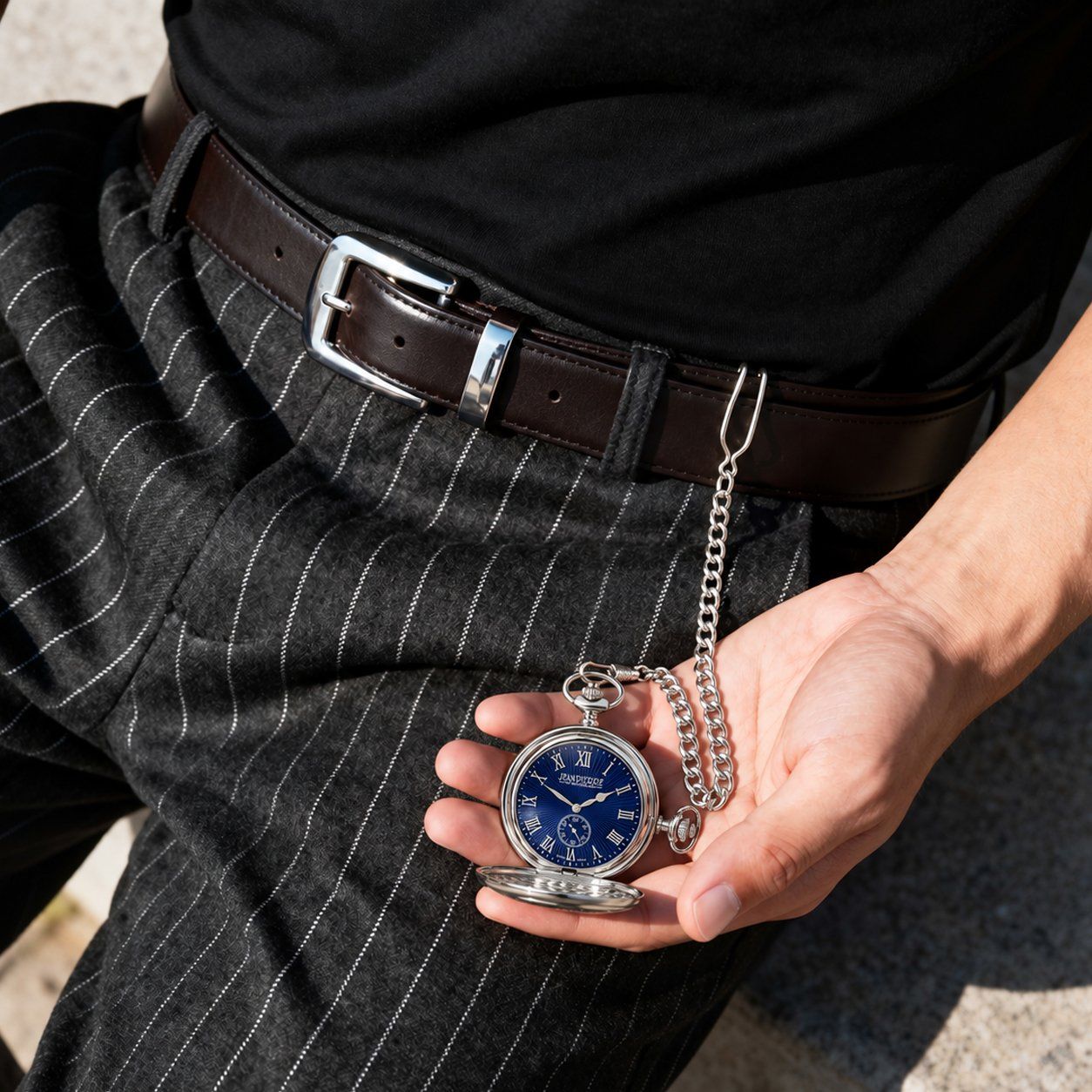
Belt Bar
Loops onto your belt or waistband, watch stored in the trouser pocket. Simple, fuss-free.
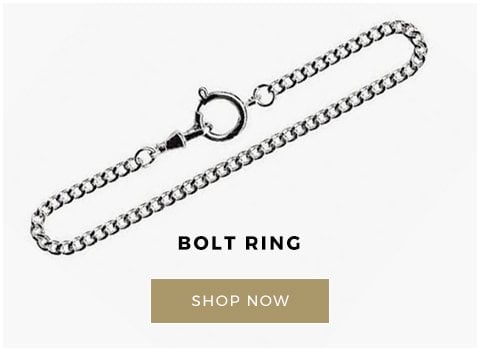
Bolt Ring
Attaches to a belt loop or waistcoat, so the watch can sit in your jacket, waistcoat or trouser pocket.
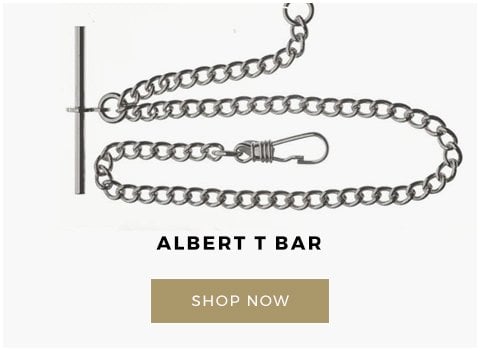
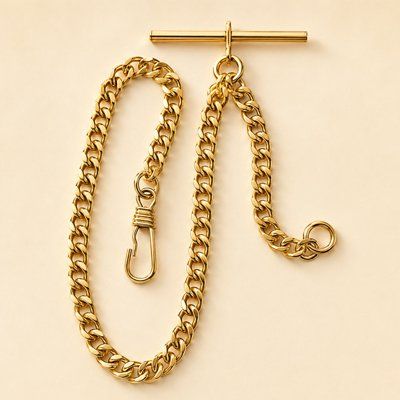
Albert T-Bar
The T-shaped bar slots through a waistcoat or jacket buttonhole, with the chain worn across the body.
Accessories
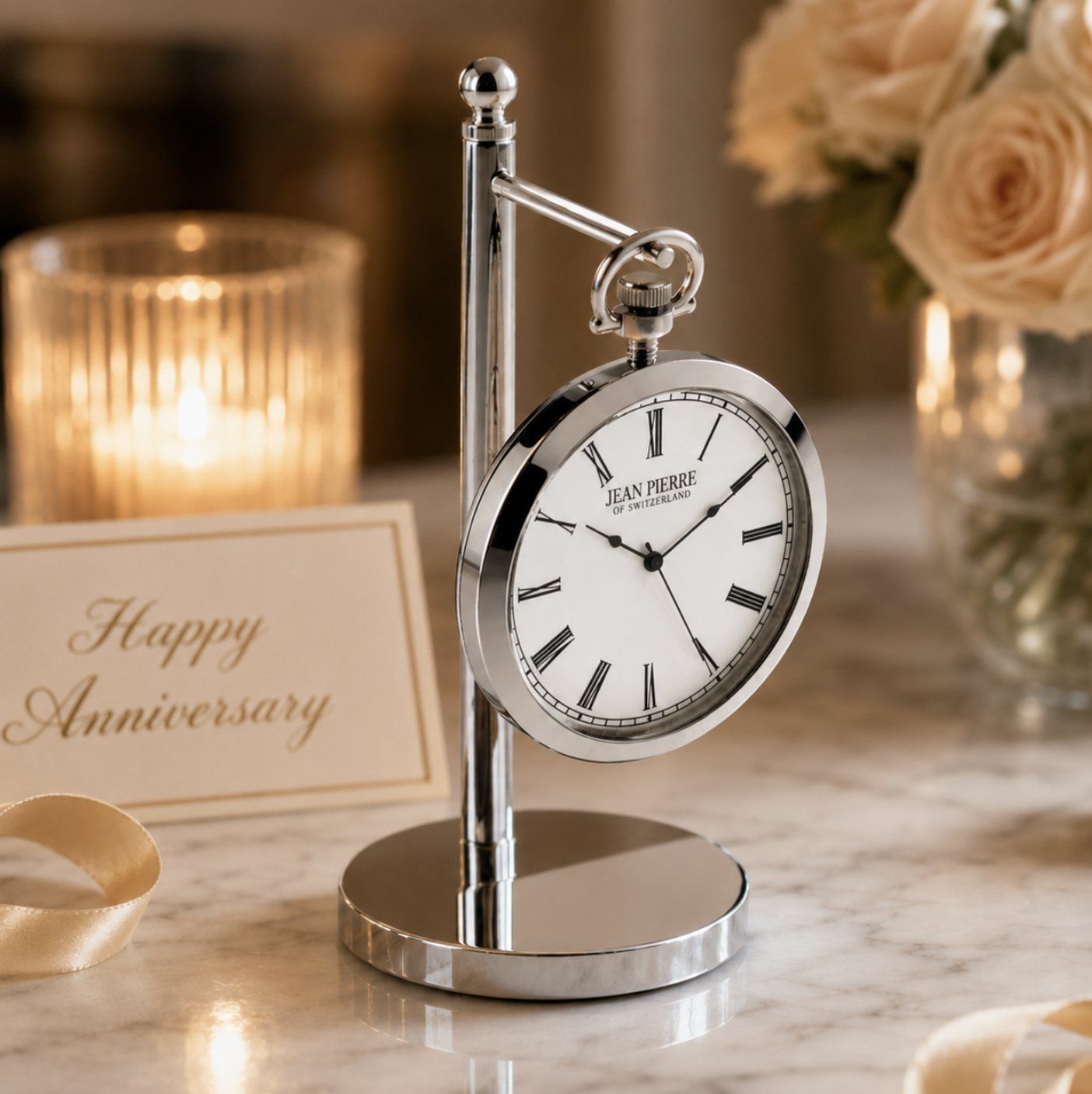
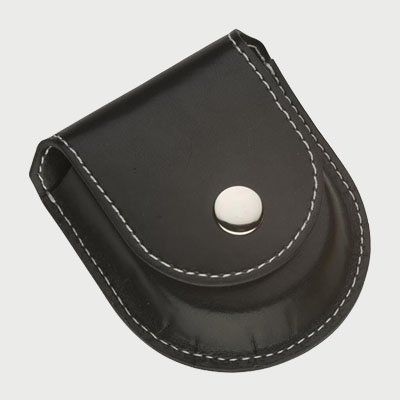
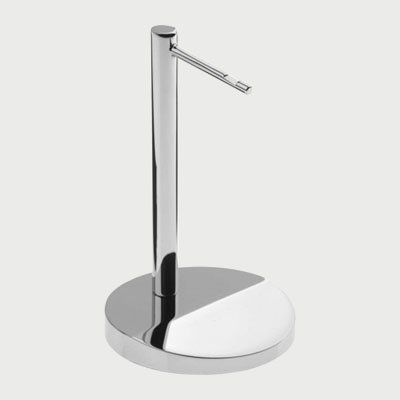
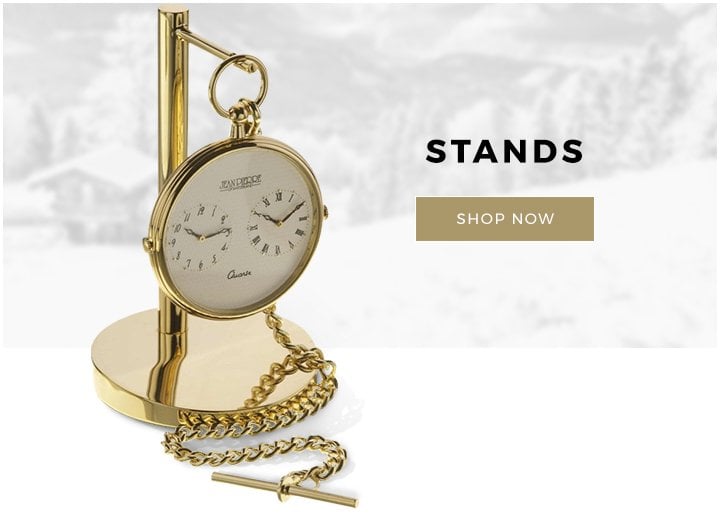
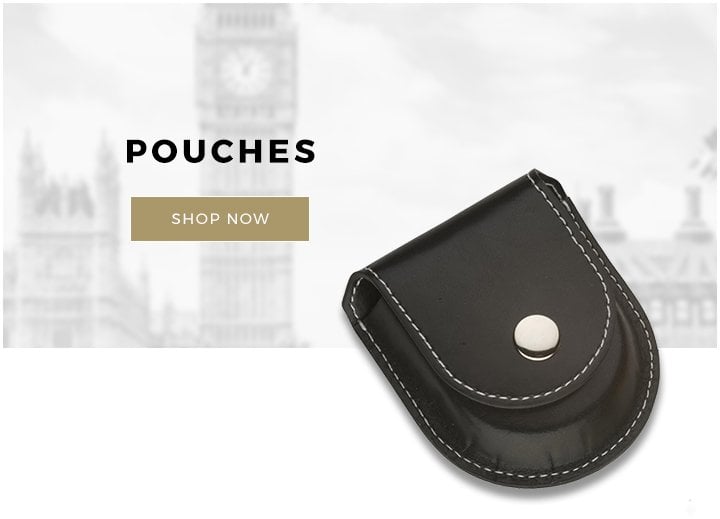
Stands for display at home, pouches for keeping it safe on the move.
Watch It In Action
A short video walkthrough covering case styles, movements and how to choose between them.
-->